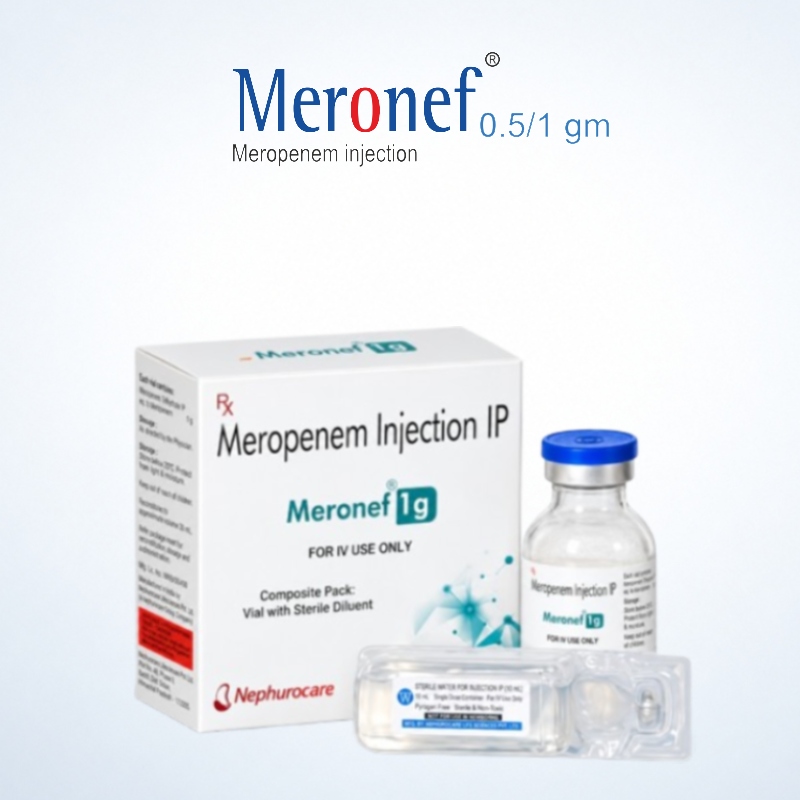
Meronef 0.5/1 gm
Meropenem Injection
- Dosage and Administration
- Administered as an intravenous bolus injection.
- Over approximately 5 minutes or by intravenous infusion over
- Approximately 15-30 minutes with compatible infusion (50-200 ml) fluid.
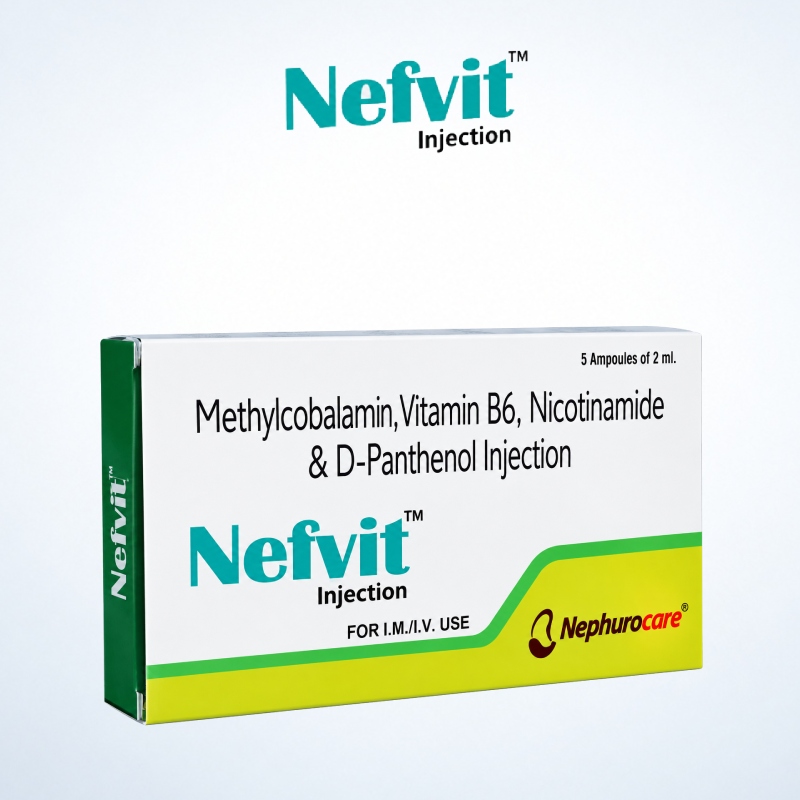
NEFVIT Injection is a combination of B-group vitamins formulated to support vitamin replenishment and nutritional requirements. It may be used in patients with vitamin deficiency or increased nutritional needs, including patients undergoing dialysis, as directed by a physician.
Read More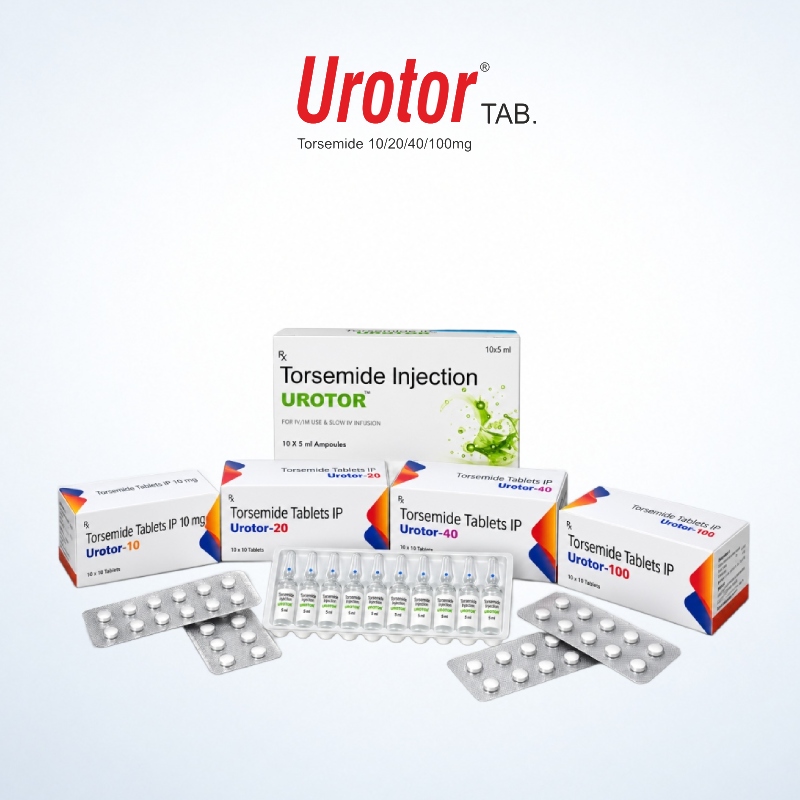
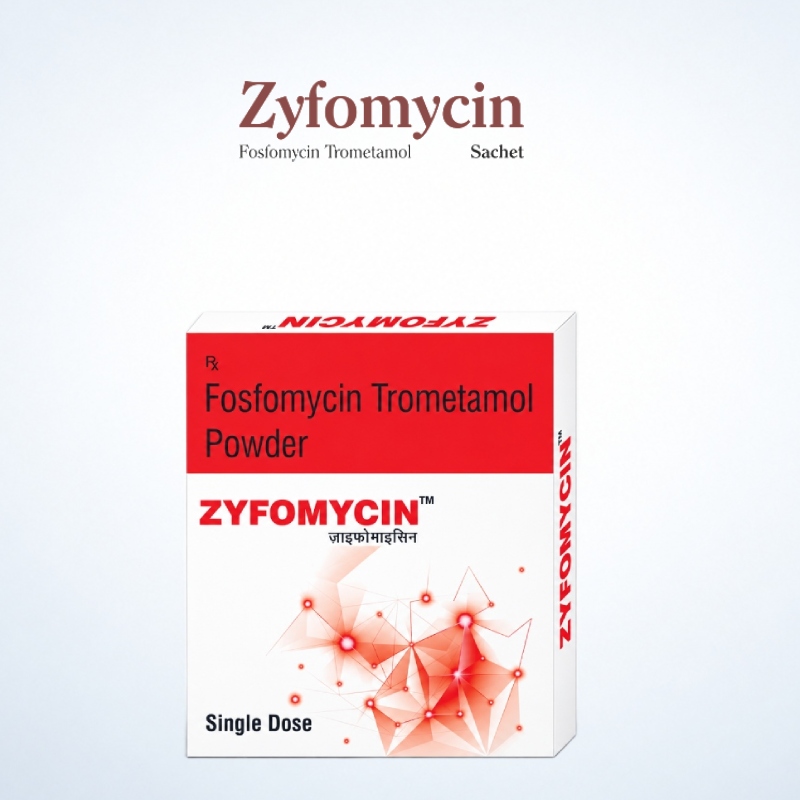
A broad-spectrum oral antibiotic, active against both gram-positive and gram-negative multidrug-resistant (MDR) and extensively drug-resistant (EDR) bacteria. Zyfomycin acts on biofilm and removes bacteria. Fosfomycin can penetrate biofilms. Several experimental studies (in vitro and biofilm infection models) showed that fosfomycin, alone or in combination with other antibiotics, not only reduced or eradicated clinically significant bacteria from biofilms but also resulted in modifications of the biofilm structure. Zyfomycin exerts immunomodulatory effects by altering the function of lymphocytes, monocytes, and neutrophils. Oral fosfomycin may constitute an alternative for the treatment of lower urinary tract infections (UTI) in kidney transplant patients (KTRs), particularly in view of recent safety concerns with fluoroquinolones.
Read More